Advanced Microanalysis
Our research will focus on utilizing the latest characterization
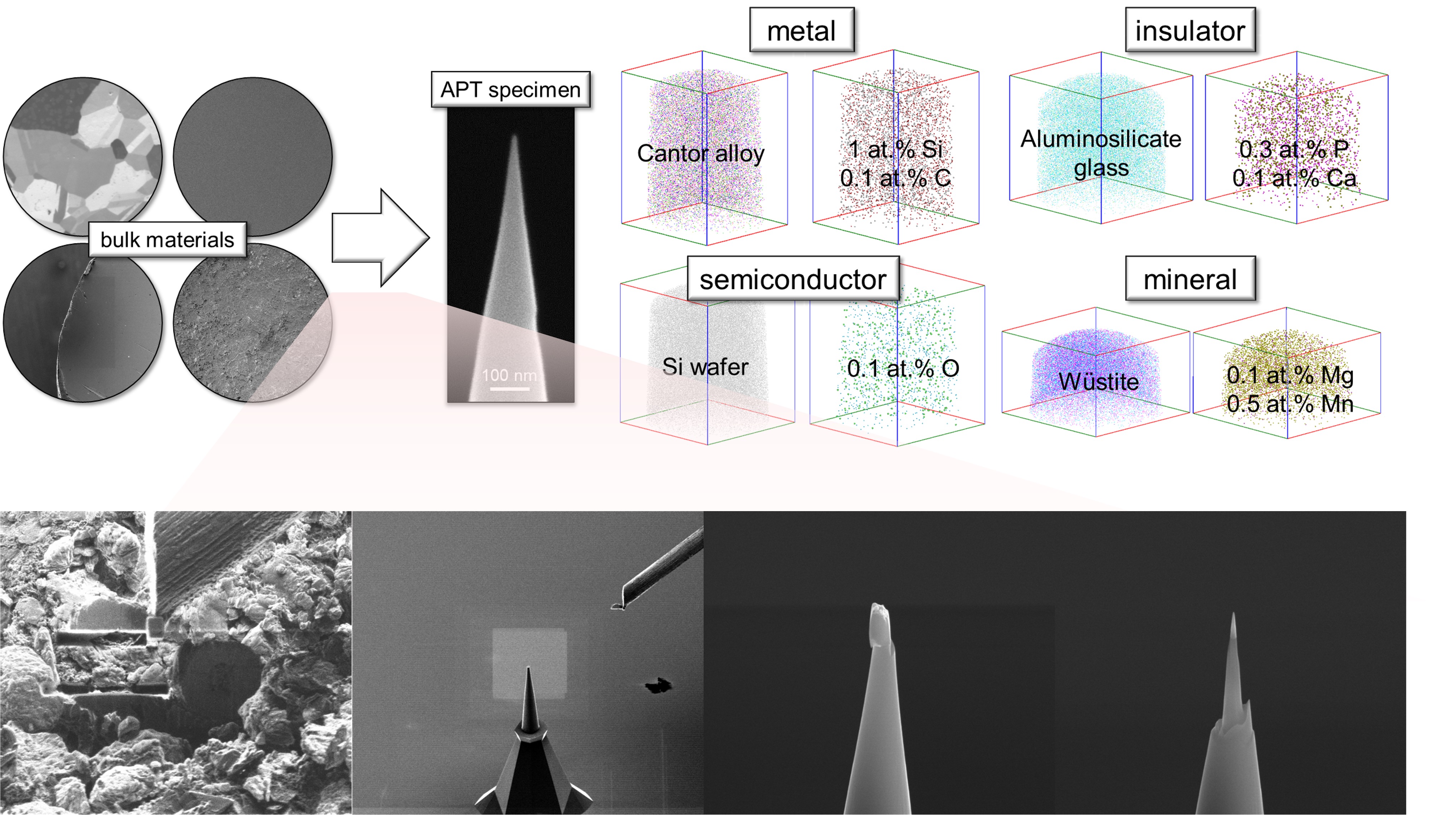
techniques, with atom probe tomography (APT) being a key tool for
analyzing complex materials. APT works by ionizing and evaporating
surface atoms from a fine needle-shaped emitter under controlled
conditions. The ions are then detected by a position-sensitive
detector and used to create a 3D elemental map through a back APT
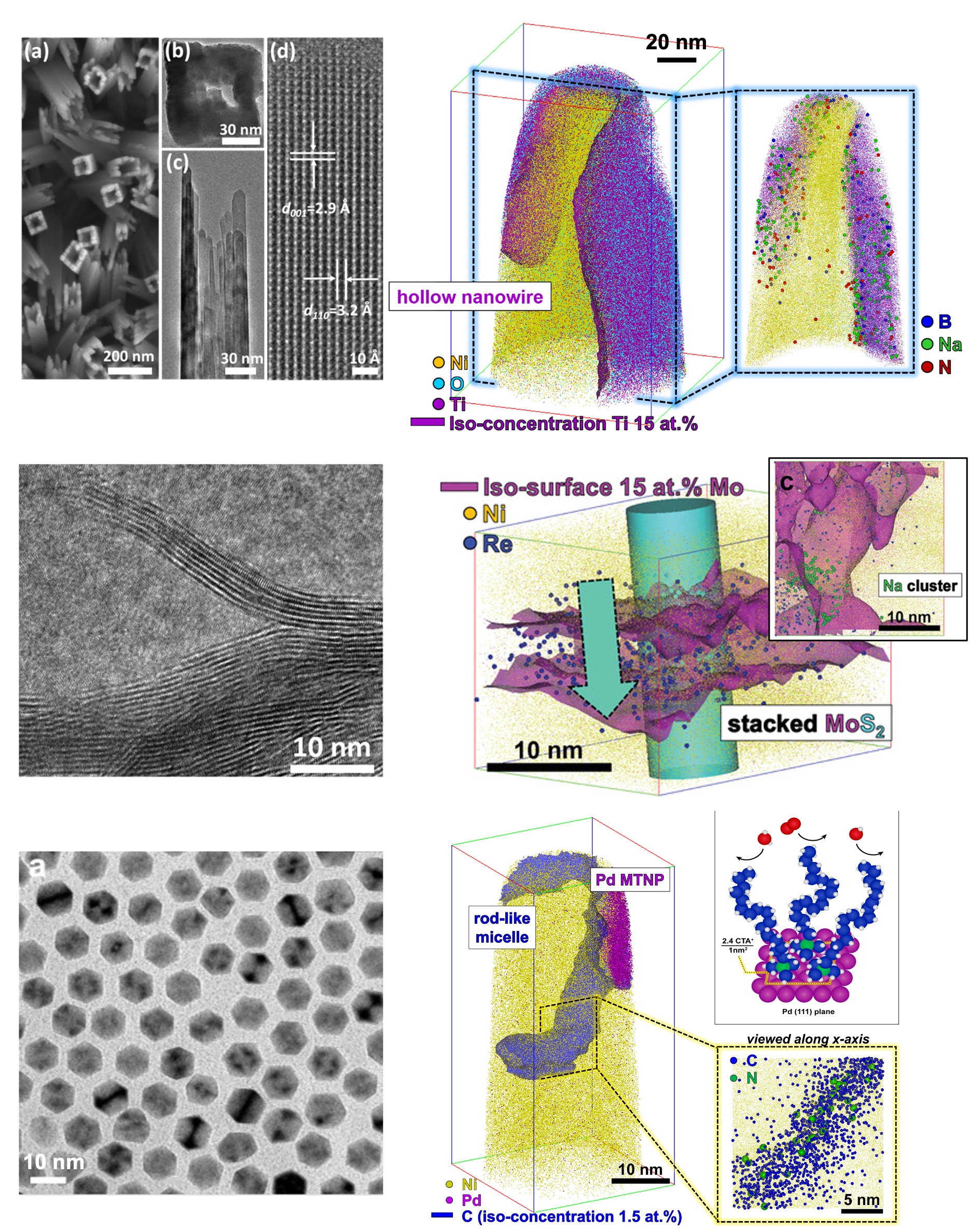
offers high spatial resolution and chemical sensitivity, making it
ideal for studying local phase transformations and chemical
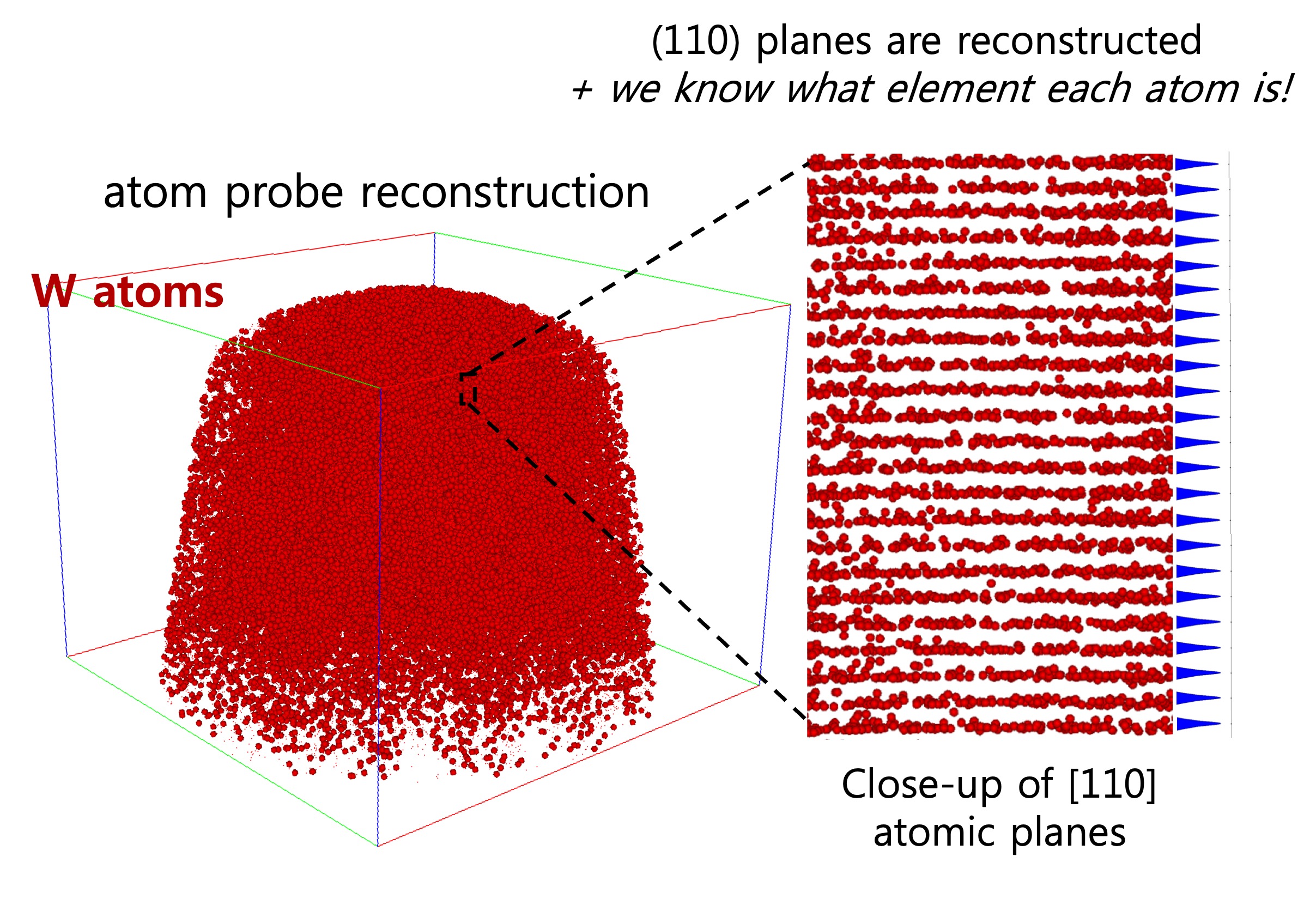
fluctuations in complex engineering alloys. While APT provides
structural information for certain materials like pure metals and
highly ordered intermetallic phases, it may not always give complete
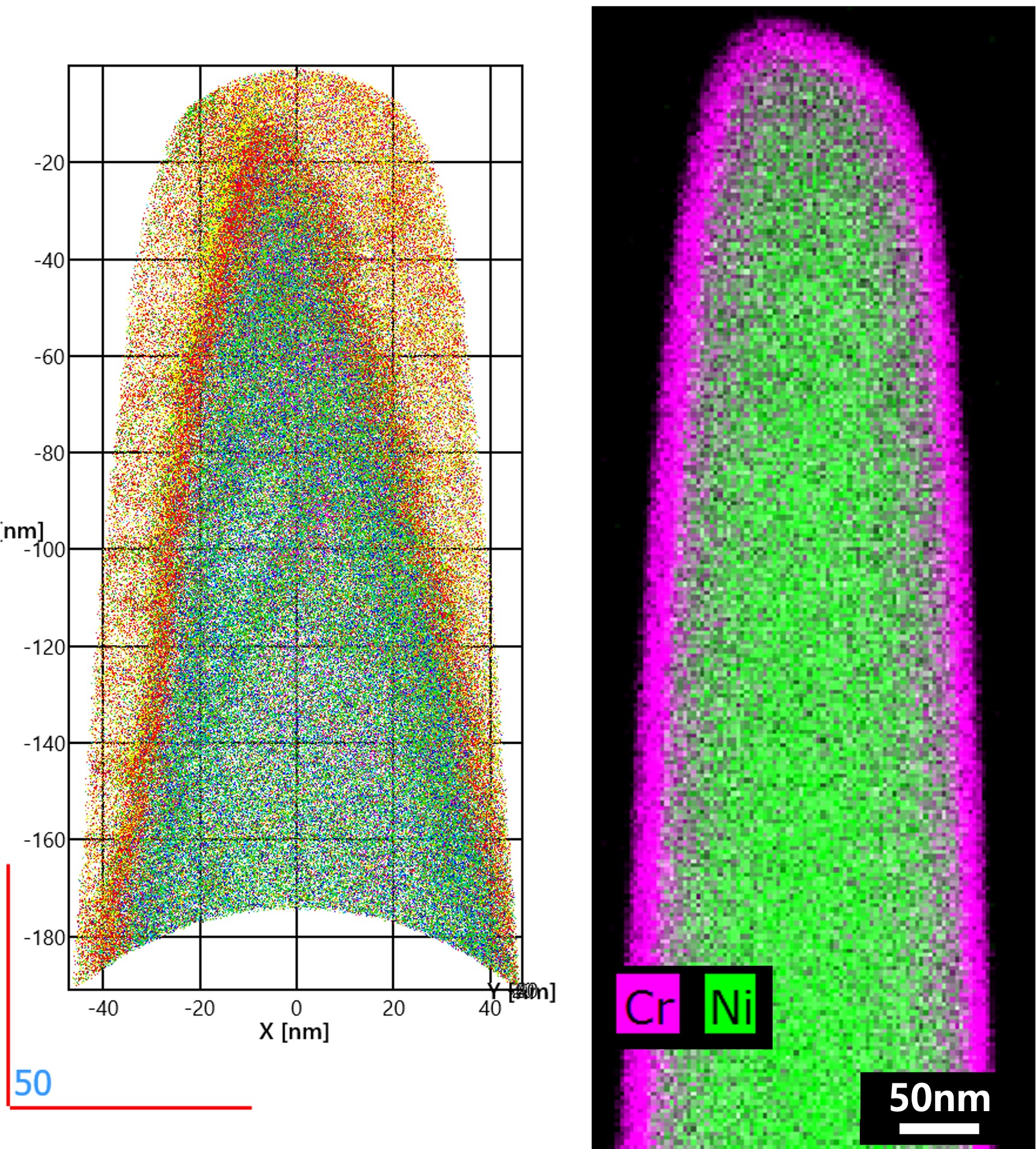
structural information. To get both chemical and structural insights,
sometimes other techniques and advanced methods, such as Cr coating
for active or nanosized particles, must be used alongside APT. The
techniques include transmission electron microscopy (TEM), scanning
electron microscopy (SEM), electron back scatter diffraction (EBSD),
and electron channeling contrast imaging (ECCI). With the addition of
focused-ion-beam (FIB) milling, it's now possible to examine specific
regions of the sample, such as grain and phase boundaries, and analyze
them jointly with these methods.
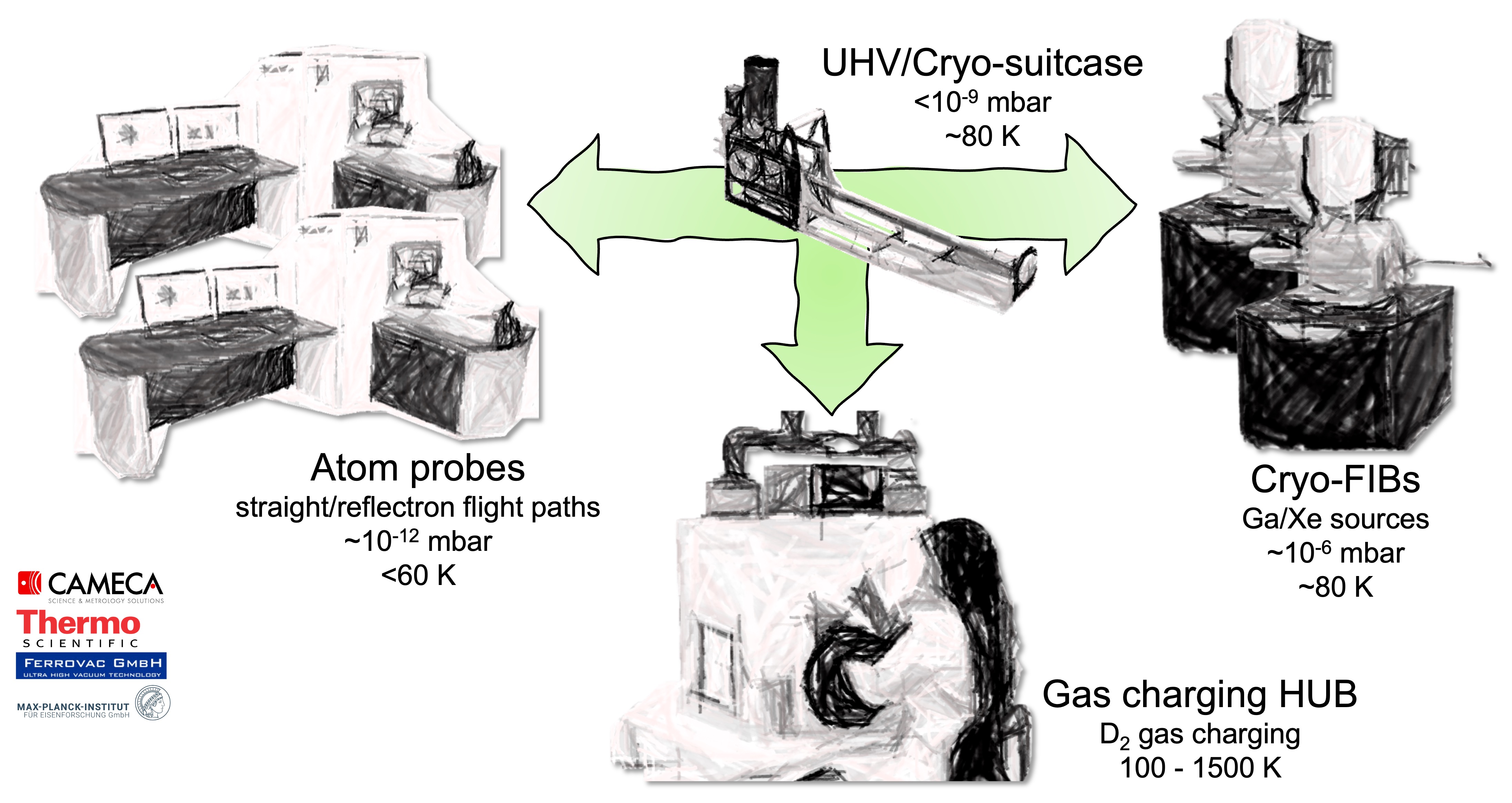
The cryogenic atom probe and transmission-electron microscopy findings
highlight the role of advances in microscopy and microanalysis in
providing new insights into the changing microstructures of active
materials, which helps in the design of improved materials. Our group
has recently developed cryogenic APT for advanced characterization of
air- and beam-sensitive battery and energy materials. The samples are
prepared in a N2/Ar glovebox and freeze-dried in liquid N2, then
transferred to a SEM/FIB using a cryogenic, ultra-high-vacuum suitcase
for analysis. Using cryo-APT, we are able to study the evolution of
structure and composition in energy materials. For example, we have
used this technique to study a bulk Na sample for use in a future
sodium-ion battery electrode. By slicing the sample into a small
lamella and sharpening it into a needle-like atom probe specimen, we
were able to suppress the uncontrolled ion-beam milling behavior of
the low-melting-point alkali metal. Our datasets allowed us to
successfully investigate the bulk chemical fluctuations and adsorbed
hydrogen concentration of the Na sample.